-

Finding Solace in Nature: Books Like ‘Where the Crawdads Sing
•
Have you ever felt the pull of nature’s beauty and the quiet solitude of a hidden marshland, much like the enchanting setting of Delia Owens’ bestselling novel “Books Like Where the Crawdads Sing”? Owens’ lyrical prose and captivating storytelling transport readers to the depths of the North Carolina marsh, where secrets, mysteries, and the…
-
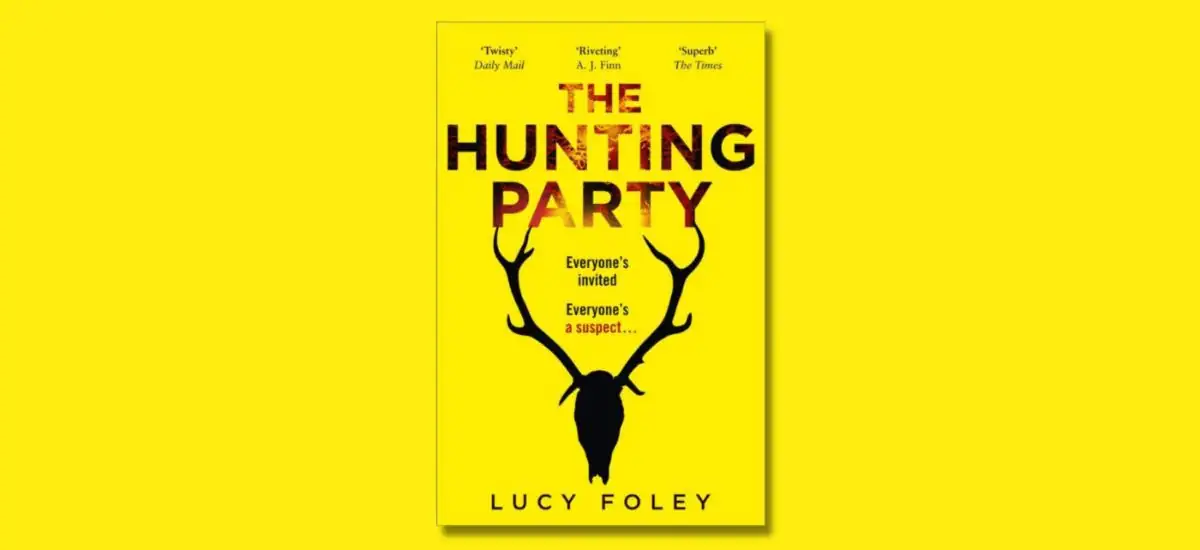
“If You Loved ‘The Hunting Party,’ These Thrillers Are a Must-Read”
•
Do you still crave the thrill of a mystery, where secrets lurk behind every corner and the tension is as palpable as the chill in the air during books like The Hunting Party? Lucy Foley’s gripping novel “The Hunting Party” plunges readers into a web of secrets, lies, and deadly intentions amidst a luxurious…
-

Must-Read Books That Capture the Intensity of The Hunger Games
•
Are you still captivated by the adrenaline-pumping world of Books Like The Hunger Games, where survival is a fierce battle and courage knows no bounds? Suzanne Collins’ gripping trilogy thrusts readers into a dystopian future where courage, resilience, and the fight for justice are at the forefront of every page. Venturing into the realm…
-
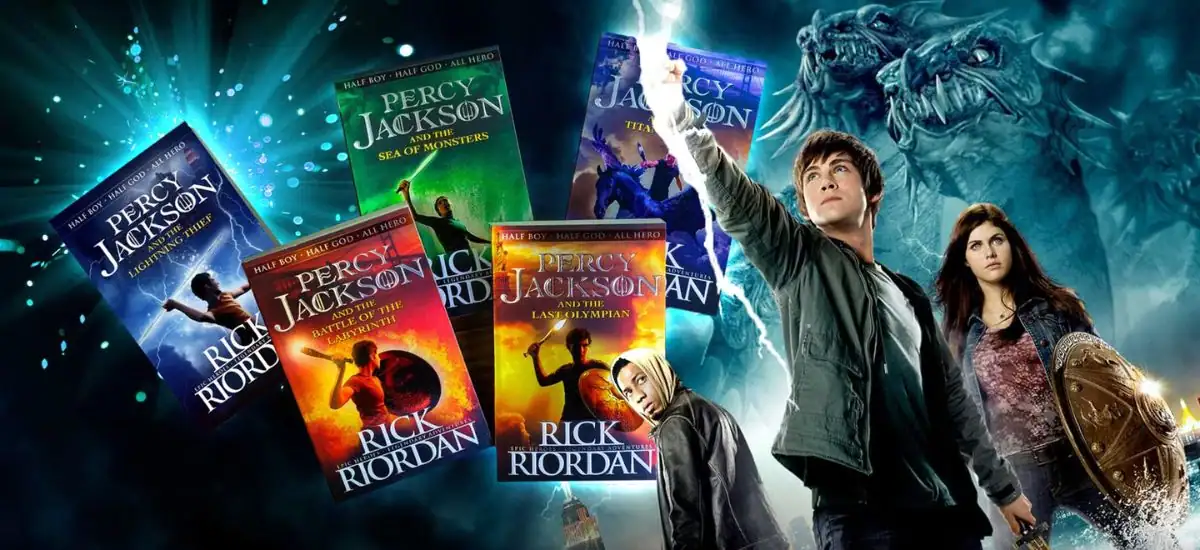
Discover Books Like Percy Jackson for Young Adventurers!”
•
Are you still entranced by the mythical world of Books Like Percy Jackson and craving more thrilling adventures that take you on a journey through ancient legends and heroic deeds? In Rick Riordan’s beloved series, readers are whisked away into a realm where Greek mythology comes to life, filled with gods, monsters, and epic…
-

Magical Reads: 5 Enchanting Books Like Harry Potter To Ignite Your Imagination
•
Are you still spellbound by the enchanting world of Books Like Harry Potter and longing for more literary escapades that whisk you away on fantastical journeys? In the pages of J.K. Rowling’s masterpiece, readers are whisked away to Hogwarts School of Witchcraft and Wizardry, where magic, friendship, and adventure await at every turn. Venturing…
-
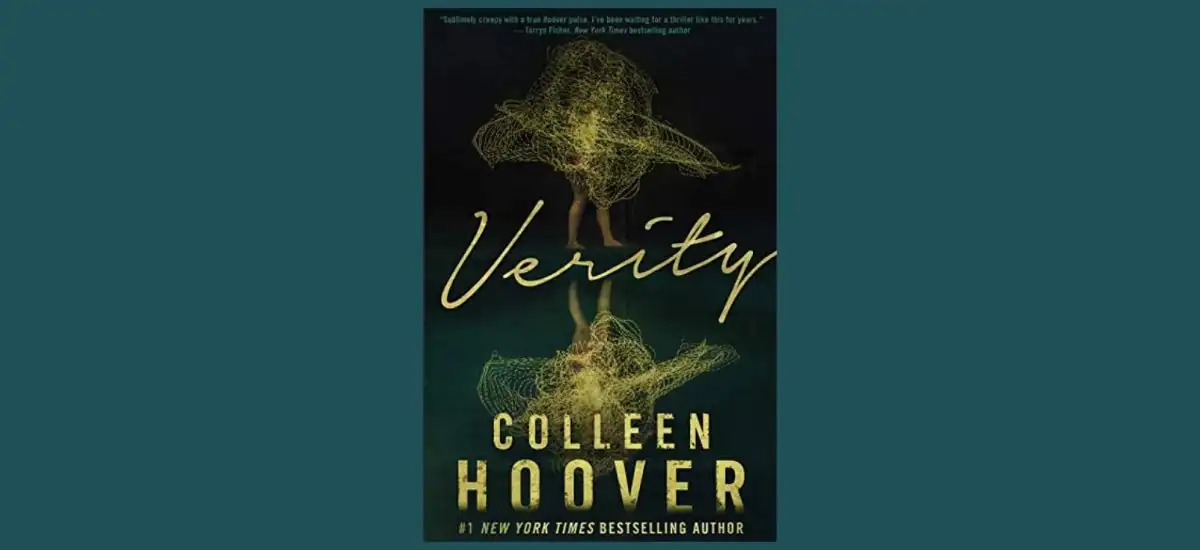
5 Books That Will Set Your Heart Aflutter: Embarking on Adventures akin to “Verity”
•
Are you still entranced by the gripping tale of Books Like “Verity” and yearning for more literary adventures that will sweep you off your feet? In the pages of “Verity,” readers are plunged into a world where mysteries unravel, passions ignite, and the line between truth and fiction blurs into obscurity. Delving into the…
-
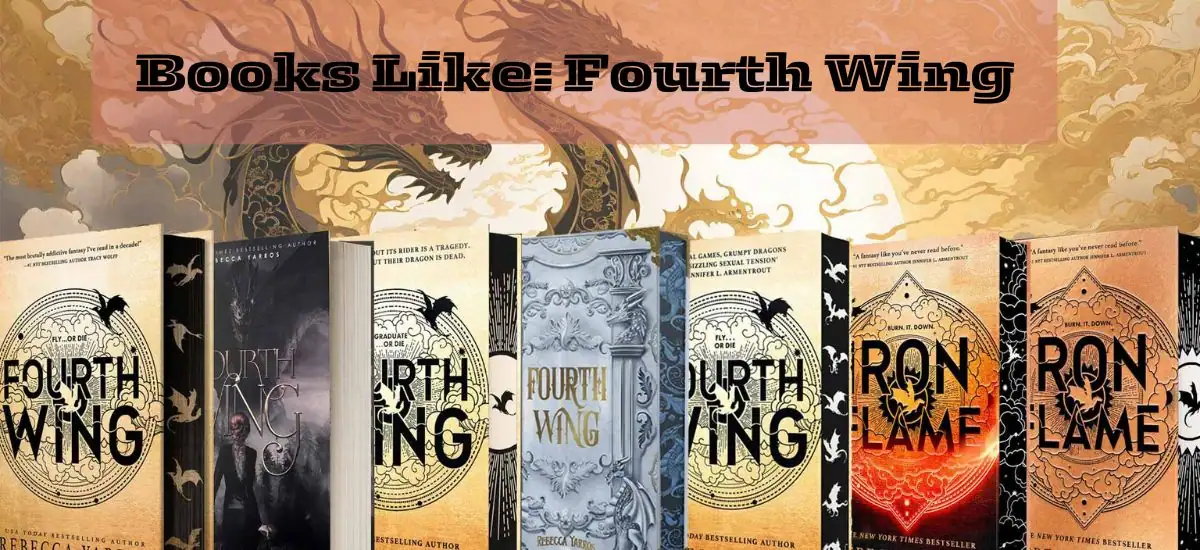
5 Books Like Fourth Wing (Book’s Summary Review’s & Spoilers)
•
Are you still dreaming of the captivating world of “Books Like Fourth Wing” and itching for more reads that will sweep you off your feet? After all, in “Fourth Wing,” readers are introduced to a young protagonist who discovers that they possess a unique ability or destiny tied to the mythical Fourth Wing. This…
-

5 Books Similar to “50 Shades of Grey” that Will Spice Up Your Reading List!
•
Are you still craving the steamy romance and tantalizing intrigue of “50 Shades of Grey” and eager to dive into more books that ignite your passion and curiosity? Well, buckle up, because just like “50 Shades of Grey” by E.L. James, these books are about to take you on a thrilling journey of desire,…